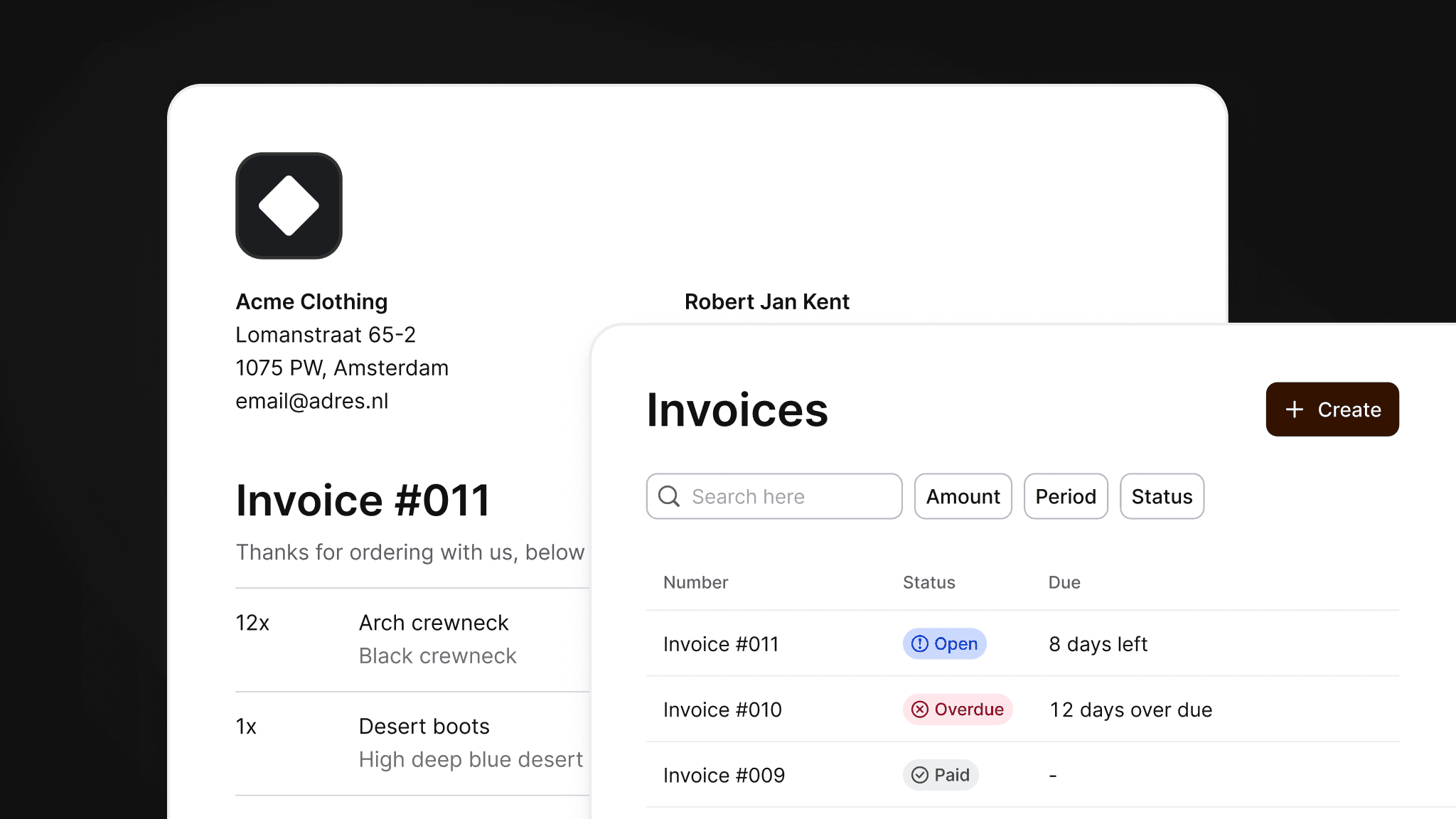
Across the continent, governments are moving away from PDFs and toward structured e-invoicing. This isn’t just a technical upgrade; it’s a shift in how businesses and tax authorities communicate. This transition is designed to provide tax authorities with real-time visibility into transactions, replacing manual reporting with a digitised, machine-readable system of record.
For businesses, this represents a move toward a more integrated digital economy.
In this guide, we will break down what structured e-invoicing is, explore the shifting regulatory timelines in countries such as the Netherlands, Belgium, and Germany, and outline how to prepare your operations for the mandatory transition. Whether you are based in Brussels, Berlin, or Paris, the era of machine-readable finance has arrived.
Across the continent, governments are moving away from PDFs and toward structured e-invoicing. This isn’t just a technical upgrade; it’s a shift in how businesses and tax authorities communicate. This transition is designed to provide tax authorities with real-time visibility into transactions, replacing manual reporting with a digitised, machine-readable system of record.
For businesses, this represents a move toward a more integrated digital economy.
In this guide, we will break down what structured e-invoicing is, explore the shifting regulatory timelines in countries such as the Netherlands, Belgium, and Germany, and outline how to prepare your operations for the mandatory transition. Whether you are based in Brussels, Berlin, or Paris, the era of machine-readable finance has arrived.
Across the continent, governments are moving away from PDFs and toward structured e-invoicing. This isn’t just a technical upgrade; it’s a shift in how businesses and tax authorities communicate. This transition is designed to provide tax authorities with real-time visibility into transactions, replacing manual reporting with a digitised, machine-readable system of record.
For businesses, this represents a move toward a more integrated digital economy.
In this guide, we will break down what structured e-invoicing is, explore the shifting regulatory timelines in countries such as the Netherlands, Belgium, and Germany, and outline how to prepare your operations for the mandatory transition. Whether you are based in Brussels, Berlin, or Paris, the era of machine-readable finance has arrived.
Across the continent, governments are moving away from PDFs and toward structured e-invoicing. This isn’t just a technical upgrade; it’s a shift in how businesses and tax authorities communicate. This transition is designed to provide tax authorities with real-time visibility into transactions, replacing manual reporting with a digitised, machine-readable system of record.
For businesses, this represents a move toward a more integrated digital economy.
In this guide, we will break down what structured e-invoicing is, explore the shifting regulatory timelines in countries such as the Netherlands, Belgium, and Germany, and outline how to prepare your operations for the mandatory transition. Whether you are based in Brussels, Berlin, or Paris, the era of machine-readable finance has arrived.