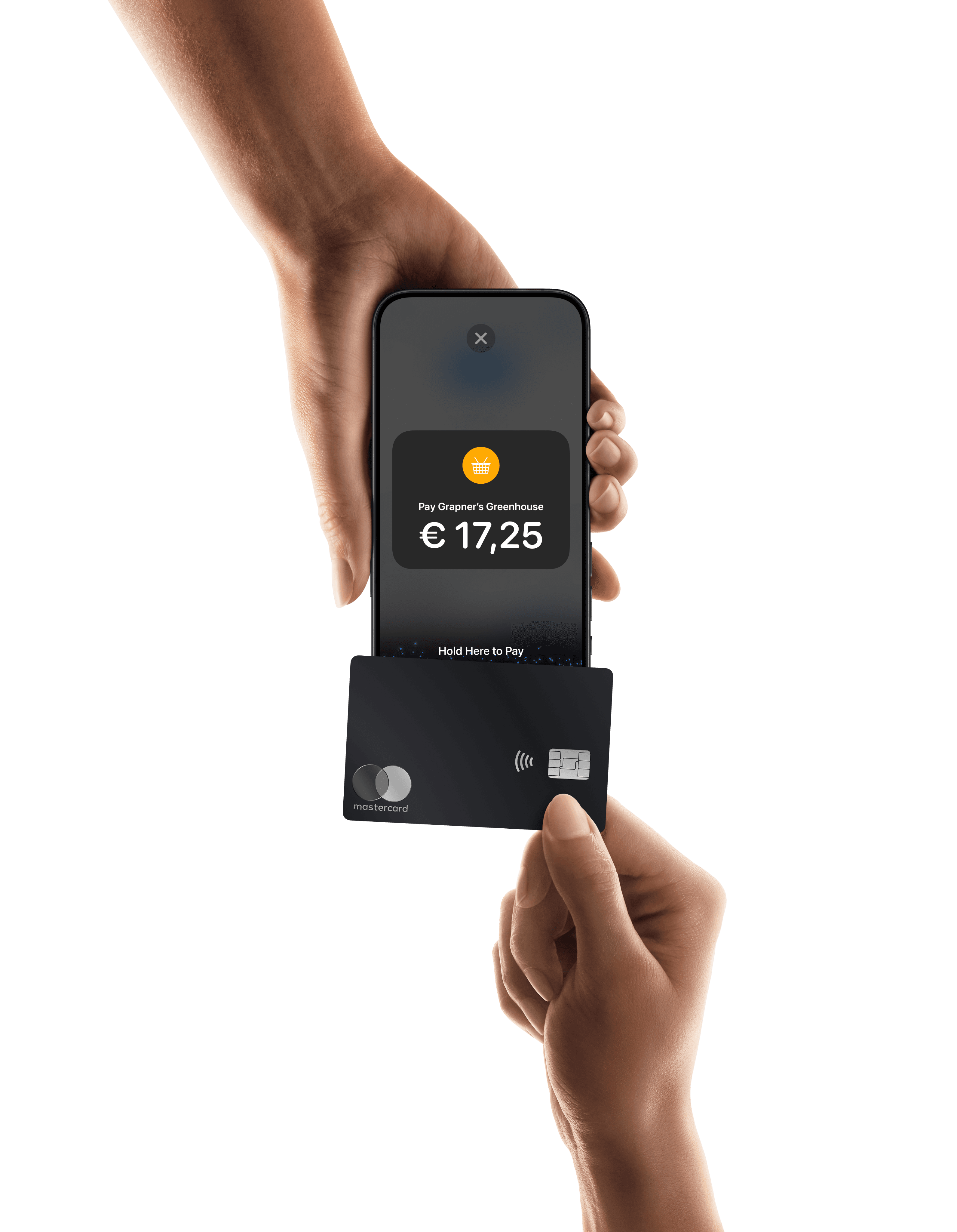
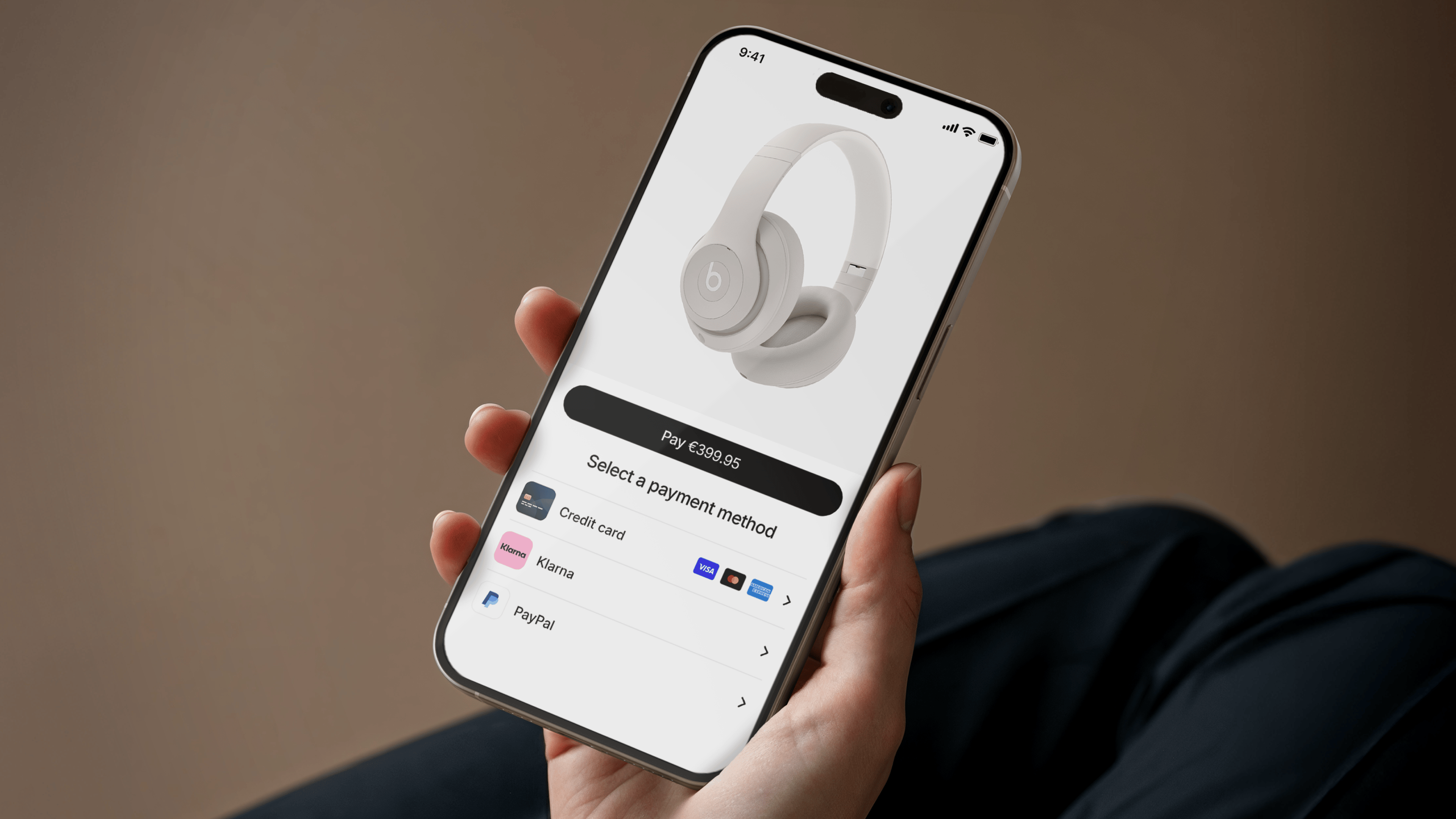
A high conversion rate is about reducing the cognitive load on your customers. Whether you’re selling a designer dress or a dental checkup, your goal is to make the path to “purchase” feel invisible.
Below are the industry-specific tips to help you increase your e-commerce conversion rate.
For practical tips on optimising your checkout, check out our complete guide to conversion rate optimisation in e-commerce.
1. Online fashion: Bridging the “touch-and-feel” gap
In fashion, the biggest conversion killer is uncertainty. Shoppers worry about fit, fabric texture, and the environmental cost of returns. Here’s how you can boost the conversion rate in fashion ecommerce if you’re operating an online clothing store:
Implement fitting room technology: High-quality photos are the baseline. To convert at a higher rate, use AI-driven size advisors that compare measurements to a garment’s unique dimensions. Virtual Try-On (VTO) and 3D modelling reduce size-fear and lower return rates.
The power of social proof 2.0: Integrate customer fit reviews that allow shoppers to filter by body type, height, and weight. For example, you can allow users to see reviews from people who are 175cm tall.
The frictionless green return: Sustainability is a massive conversion driver. Offer box-free or carbon-neutral return options at checkout. Knowing that a return is easy and eco-friendly removes the final psychological barrier.
Proactive comment-to-cart service: Your social media comments section is a storefront window. Customers use comments to ask pre-flight questions about delivery or colours. Connecting your social channels to your customer service team provides real-time answers that act as the final nudge toward a sale.
Optimise your mobile interface: m-commerce is increasingly important for online fashion stores. This means your online shop needs to be just as user-friendly and interactive on mobile devices and built to load quickly, like an app. That’s because an increasing number of die-hard shoppers are buying on their smartphones. Use progressive web apps (PWAs) to create a user-friendly mobile site that minimises cart abandonment and boosts conversion.
Proactive comment-to-cart service: Your social media comments section is your new storefront window. Customers in 2026 use comments to ask pre-flight questions: “How long is delivery to Berlin?” or “Does this come in navy?” By connecting your social channels directly to your customer service team, you can provide real-time answers that act as the final “nudge” toward a sale.
Humanise the brand: People buy from people. Sharing behind-the-scenes content and user-generated videos (UGC), or working with influencers, could turn your label into a community. This transparency doesn’t just drive traffic; it builds the long-term
Fashion outlet Otrium boosted its international conversion rate by offering the payment methods its customers trust in every market. By making the checkout feel local globally, they removed the final barrier to purchase.
When they began expanding across Europe, they faced the challenge of understanding different local payment preferences in markets like Belgium, Germany, and France. By partnering with Mollie, they were able to test and implement the payment methods local shoppers trust, removing the final barrier to purchase.
As the business grew, Otrium migrated to a more advanced e-commerce platform, commercetools. To ensure this transition did not disrupt their high-volume sales, Mollie collaborated with an agency to build a bespoke integration. This allowed Otrium to scale its webshop and mobile app with zero downtime.
Financial optimisation also played a major role in their success. Through a detailed analysis of their payment methods and costs, Otrium achieved over 100,000 euros in annual savings without any drop in their conversion rate. They also use Mollie Capital to access fast, data-driven funding that helps them maintain momentum as they scale across the continent. By making the checkout feel local and ensuring their technical infrastructure is resilient, they have built a shopping experience that converts international browsers into loyal customers.
2. Electronics: Turning complexity into confidence
Electronics shoppers are highly analytical. They compare technical specs across multiple providers and worry about the longevity of their investment. Here’s how you can boost conversion if you’re operating an online consumer electronics shop:
Special holiday promotions: There are plenty of international occasions throughout the year when shoppers hunt for bargains on electronics, such as Black Friday and Cyber Monday. Find out which items are really popular right now among your business’s target group, and be sure to advertise those items in particular during sales and holiday periods.
Dynamic comparison engines: Build comparison tools directly into your product pages. Providing a Help me choose quiz can guide a confused visitor to the right product, boosting conversions through curated confidence.
Embed financing into the journey: For high-ticket items, the total price can cause sticker shock. Show Buy Now, Pay Later (BNPL) or monthly instalment options early on the product page. This shifts the mental calculation toward monthly affordability.
Incentivise with protection: Embedded insurance is a powerful tool. Offering a simple, one-click warranty extension during the checkout flow increases trust and captures the safety-first shopper.
3. Food & grocery: Mastering the mental load
Grocery shopping is often a chore. The stores that win are those that save the customer the most time and effort.
Predictive smart carts: Use historical data to suggest a weekly essentials bundle. If your system knows a customer buys milk and bread every Tuesday, have those items pre-filled in a suggested cart. Hyper-convenience is the ultimate conversion tool.
Zero-friction reordering: Implement a Buy it again button prominently on the homepage. Successful e-grocers use subscription models for staples to convert one-time shoppers into lifetime customers.
The Goldilocks delivery window: Conversion drops when delivery is vague. Offer precise, 1-hour windows and real-time tracking. Providing a photo-verified delivery option also captures the busy professional demographic.
4. Home & furniture: Building confidence at scale
Buying furniture is a big commitment. Since your customers can’t sit on the sofa or run their hands over the wood grain before they buy, your job is to remove the “guesswork”. Here is how to build trust in a digital-first home store.
Set the scene: Use shoppable imagery where customers can click on any item in a styled room scene to add it to their cart. This naturally boosts your average order value. IKEA (the Swedish-founded global furniture retailer) creates shoppable room sets. Instead of buying just a desk, shoppers see the lamp and rug that complete the look and buy the whole bundle.
Show the invisible details: Use macro photography and Augmented Reality (AR) tools. When a customer can see a 3D model of the sofa in their own living room via their phone, the fear of ‘Will it fit?’ disappears. Made.com (the UK-based design-led furniture brand) uses high-definition video loops of their fabric textures, allowing the light to hit the velvet so shoppers can feel the quality through the screen.
Send a sample of the product home: Offer free fabric or wood swatches so customers can assess the quality in person before purchasing. This drastically reduces high-cost returns later.
Offer flexible payment options: If customers are presented with different payment methods that suit their preferences, they are more likely to make a purchase. NADUVI, the Home & Living outlet, focuses on making beautiful interiors accessible. By integrating Mollie, they offer the flexible payment options essential for high-ticket furniture items, allowing customers to buy with confidence and pay on their own terms.
5. Hospitality and leisure: Selling the dream without the stress
Hospitality conversion is a race against the back button. Travellers want a seamless experience and the absolute best price.
Direct-booking exclusives: Competing with big booking platforms is tough. Increase your direct conversion by offering perks that third parties can’t, like complimentary breakfast, late checkout, or a best price guaranteed voucher for their next stay.
Streamline checkout during peak demand: For high-demand cultural events, slow checkout is a conversion killer. Opera Ballet Vlaanderen improved their booking experience by moving to Mollie, ensuring that when a performance goes on sale, their payment system can handle the spike in traffic smoothly, especially on mobile devices.
Remove sticker shock: Travellers hate hidden fees. That’s why all-in pricing transparency is a major trust signal. Use Mollie’s multi-currency features to display the final price in the guest’s native currency immediately. If the price changes at the final payment step, customers will abandon the booking. Booking.com has been offering total price transparency by showing taxes and fees upfront, so the price doesn’t jump at the final step.
Urgency without the pressure: Use honest urgency. Instead of fake pop-ups, show real-time availability like “Only 2 rooms left at this price for your dates.”
6. Medical & wellness: The architecture of trust
In medical services, your product is health and privacy. Any sign of technical lag or poor design can create a lack of trust that kills the conversion. There are several ways you can ensure both trust and boost conversion rate.
Privacy-first onboarding: People are often hesitant to share sensitive medical data. Displaying your security credentials (such as ISO, GDPR, or HIPAA) right next to the data entry fields increases your customers’ trust. A clean, clinical UI that feels professional and secure will always convert better than a cluttered one.
Pre-fill with security: For returning patients, use secure, encrypted login states to pre-fill their non-sensitive data. The fewer forms a patient has to fill out to book an appointment, the higher your conversion rate will be.
The testimonial gallery: For wellness and aesthetic services, high-quality, honest before-and-after galleries (with consent) are the strongest conversion drivers. They provide the visual proof that your service works.